
Home / Gum Treatment
Gum Treatment
Healthy gums are the foundation of a healthy smile. At North Pointe Dental Center, we provide comprehensive gum treatment to patients throughout North Fort Myers and Lee County, helping you prevent, manage, and reverse gum disease to protect your teeth and overall health.
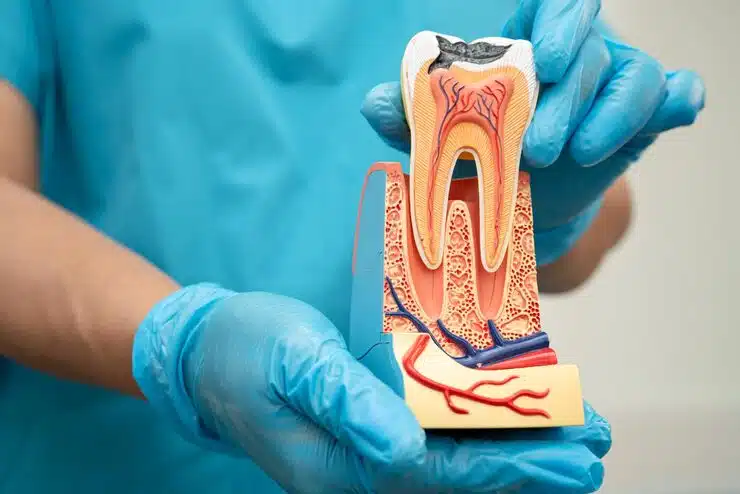
Gum Treatment in North Fort Myers, FL
Healthy gums are the foundation of a healthy smile. At North Pointe Dental Center, we provide comprehensive gum treatment to patients throughout North Fort Myers and Lee County, helping you prevent, manage, and reverse gum disease to protect your teeth and overall health.
What Is Gum Disease?
Gum disease, also called periodontal disease, is an infection of the tissues that support your teeth. It’s caused by bacteria in plaque—the sticky film that constantly forms on your teeth. When plaque isn’t removed through regular brushing and flossing, it hardens into tartar and triggers inflammation in your gums.
Gum disease is one of the most common dental problems, affecting nearly half of adults over 30. Left untreated, it can lead to gum recession, bone loss, and tooth loss. Research also links gum disease to serious health conditions including heart disease, diabetes, stroke, and respiratory problems.
The good news is that gum disease is preventable and treatable, especially when caught early. Our North Fort Myers dental team offers a range of gum treatments to restore your periodontal health and protect your smile.
Stages of Gum Disease
Gingivitis
The earliest stage of gum disease, gingivitis is characterized by red, swollen gums that may bleed when you brush or floss. At this stage, the infection affects only the gum tissue—the bone and connective fibers holding your teeth in place are still intact. Gingivitis is reversible with professional treatment and improved oral hygiene.
Mild Periodontitis
If gingivitis isn’t treated, it can progress to periodontitis. At this stage, the infection has spread below the gum line, and the supporting bone and fibers begin to break down. Pockets form between your teeth and gums, trapping more bacteria and making the condition harder to treat at home. Professional intervention is necessary to prevent further damage.
Moderate Periodontitis
As periodontitis advances, the pockets deepen, and more bone and tissue are destroyed. Teeth may begin to feel loose, and you may notice gum recession, increased sensitivity, and persistent bad breath. Without treatment, tooth loss becomes increasingly likely.
Severe Periodontitis
In the most advanced stage, significant bone loss has occurred, and teeth may become very loose or fall out. The infection can spread to other areas of the mouth and affect your overall health. Aggressive treatment is needed to save remaining teeth and halt the disease.
Signs and Symptoms of Gum Disease
Gum disease often develops painlessly, so many people don’t realize they have it. Watch for these warning signs:
- Red, swollen, or tender gums
- Gums that bleed when brushing or flossing
- Gums that have pulled away from your teeth
- Persistent bad breath or bad taste in your mouth
- Loose or shifting teeth
- Changes in how your teeth fit together when you bite
- Pus between your teeth and gums
- Receding gums (teeth appear longer)
- Tooth sensitivity
- Pain when chewing
If you notice any of these symptoms, schedule an appointment at North Pointe Dental Center promptly. Early treatment can prevent the disease from progressing and save your teeth.
Our Gum Treatment Services
Professional Dental Cleaning (Prophylaxis)
Regular professional cleanings remove plaque and tartar buildup that you can’t eliminate with brushing and flossing alone. For patients with healthy gums or gingivitis, routine cleanings every six months help prevent gum disease from developing or progressing.
Scaling and Root Planing (Deep Cleaning)
This non-surgical treatment is the first line of defense against periodontitis. Scaling removes plaque and tartar from above and below the gum line, reaching deep into the pockets around your teeth. Root planing smooths the tooth root surfaces, helping your gums reattach to your teeth and making it harder for bacteria to accumulate. This procedure is typically done in one or two visits with local anesthesia for your comfort.
Laser Gum Treatment
Laser therapy offers a minimally invasive alternative to traditional gum surgery. The laser precisely targets and removes infected tissue while leaving healthy tissue intact. Benefits include less bleeding, reduced swelling, faster healing, and often no need for sutures. Laser treatment can be used for various stages of gum disease. Procedures we may refer to a Periodontist:
Gum Grafting
When gum recession has exposed tooth roots, gum grafting can restore your gum line. We take tissue from another area of your mouth (often the palate) or use donor tissue and attach it to the affected area. Gum grafts protect exposed roots from decay, reduce sensitivity, and improve the appearance of your smile.
Pocket Reduction Surgery (Flap Surgery)
For advanced periodontitis that doesn’t respond to non-surgical treatment, pocket reduction surgery may be necessary. We lift the gums back to remove tartar deposits and bacteria from deep pockets, then secure the gum tissue snugly around the teeth. This reduces pocket depth and makes it easier to keep the area clean.
Bone Grafting
When gum disease has destroyed the bone supporting your teeth, bone grafting can help regenerate lost tissue. We place bone graft material in areas of bone loss to encourage your body to rebuild the supporting structure. Bone grafting may be combined with other periodontal procedures or used to prepare for dental implants.
Guided Tissue Regeneration
This procedure encourages the regrowth of bone and tissue destroyed by gum disease. A biocompatible membrane is placed between the bone and gum tissue to prevent gum tissue from growing into areas where bone should regenerate, allowing the bone and connective tissue to regrow properly.
Crown Lengthening
While often performed for cosmetic reasons, crown lengthening can also address functional issues caused by gum overgrowth or uneven gum lines. We reshape the gum and bone tissue to expose more of the tooth surface when needed for restorations or to improve periodontal health.

The Gum Treatment Process at North Pointe Dental Center
Comprehensive Evaluation
Your gum treatment begins with a thorough periodontal examination at our North Fort Myers office. We measure the depth of the pockets around each tooth, assess gum recession and bleeding, check for loose teeth, and take X-rays to evaluate bone levels. This information helps us determine the severity of your condition and create a personalized treatment plan.
Treatment Planning
Based on your evaluation, we recommend the most appropriate treatment for your situation. We’ll explain your diagnosis, discuss all available options, answer your questions, and develop a plan that addresses your needs and goals.
Active Treatment
Depending on your condition, treatment may involve one or more procedures performed over several appointments. We use local anesthesia to keep you comfortable, and sedation options are available for anxious patients or extensive procedures.
Healing and Re-Evaluation
After treatment, we allow time for your gums to heal before reassessing your periodontal health. We measure pocket depths again to determine how well your gums have responded and whether additional treatment is needed.
Periodontal Maintenance
Gum disease is a chronic condition that requires ongoing management. After active treatment, we recommend periodontal maintenance visits every three to four months. These appointments include thorough cleanings, pocket measurements, and monitoring to catch any recurrence early. Consistent maintenance is essential for long-term success.
Risk Factors for Gum Disease
Some factors increase your likelihood of developing gum disease:
Poor Oral Hygiene
Inadequate brushing and flossing allows plaque to build up and harden into tartar, leading to gum inflammation and infection.
Smoking and Tobacco Use
Tobacco use is one of the most significant risk factors for gum disease. It impairs blood flow to the gums, weakens your immune response, and makes treatment less effective.
Genetics
Some people are genetically predisposed to gum disease. If periodontal problems run in your family, you may need more vigilant prevention and monitoring.
Diabetes
Diabetes affects your body’s ability to fight infection and heal, making you more susceptible to gum disease. Conversely, gum disease can make it harder to control blood sugar levels.
Hormonal Changes
Fluctuations during puberty, pregnancy, menstruation, and menopause can make gums more sensitive and susceptible to disease.
Medications
Some medications reduce saliva flow, which protects your gums, or cause gum overgrowth. Let us know about all medications you take.
Chronic Stress
Stress weakens your immune system, making it harder for your body to fight infection, including gum disease.
Poor Nutrition
A diet lacking essential nutrients compromises your immune system and your body’s ability to fight infection.
Teeth Grinding (Bruxism)
Clenching and grinding put excessive force on teeth and can accelerate the destruction of periodontal tissues.
Crooked or Crowded Teeth
Misaligned teeth are harder to clean properly, creating areas where plaque can accumulate.
The Connection Between Gum Disease and Overall Health
Research increasingly shows that gum disease affects more than just your mouth. The bacteria and inflammation associated with periodontal disease have been linked to several serious health conditions:
- Heart Disease — People with gum disease are two to three times more likely to have a heart attack, stroke, or other cardiovascular event. Bacteria from infected gums can enter the bloodstream and contribute to arterial plaque buildup.
- Diabetes — Gum disease and diabetes have a two-way relationship. Diabetes increases the risk of gum disease, and gum disease makes it harder to control blood sugar. Treating gum disease can help improve diabetic control.
- Respiratory Disease — Bacteria from infected gums can be inhaled into the lungs, potentially causing pneumonia and worsening conditions like chronic obstructive pulmonary disease (COPD).
- Pregnancy Complications — Pregnant women with gum disease have higher rates of premature birth and low birth weight babies. Hormonal changes during pregnancy also make gums more susceptible to infection.
- Alzheimer’s Disease — Studies suggest a link between gum disease and cognitive decline. Bacteria associated with periodontitis have been found in the brains of Alzheimer’s patients.
- Rheumatoid Arthritis — The inflammation caused by gum disease may worsen rheumatoid arthritis symptoms, and people with RA are more likely to have gum disease.
Treating gum disease isn’t just about saving your teeth—it’s about protecting your overall health and well-being.

Preventing Gum Disease
The best treatment for gum disease is prevention. Follow these steps to keep your gums healthy:
Brush Properly
Brush at least twice daily using a soft-bristled toothbrush and fluoride toothpaste. Hold your brush at a 45-degree angle to your gums and use gentle, circular motions. Don’t forget to brush your tongue.
Floss Daily
Flossing removes plaque and food particles from between teeth and below the gum line where your toothbrush can’t reach. If traditional floss is difficult, try floss picks, interdental brushes, or a water flosser.
Use Antimicrobial Mouthwash
An antimicrobial rinse can help reduce bacteria and plaque that cause gum disease. Ask us for product recommendations.
Don't Smoke
Quitting tobacco use dramatically reduces your risk of gum disease and improves treatment outcomes if you already have it.
Eat a Balanced Diet
Nutrients like vitamin C, vitamin D, and calcium support gum health. Limit sugary foods and drinks that feed harmful bacteria.
Manage Health Conditions
Control diabetes, reduce stress, and address other health issues that can affect your gums.
Visit Us Regularly
Professional cleanings and exams every six months (or more frequently if recommended) allow us to remove tartar, catch problems early, and keep your gums healthy.
Your North Fort Myers Gum Treatment Dentist
North Pointe Dental Center proudly serves patients from North Fort Myers, Fort Myers, Cape Coral, Lehigh Acres, and nearby Southwest Florida communities. Our experienced team is committed to helping you achieve and maintain healthy gums through personalized treatment, patient education, and compassionate care. We’ll work with you to find the most effective, comfortable approach to restoring your periodontal health.
Do You Have Questions?
Frequently Asked Questions About Gum Treatment
Is gum disease reversible?
Gingivitis, the earliest stage, is fully reversible with professional treatment and improved oral hygiene. Once gum disease progresses to periodontitis, the damage to bone and supporting tissues cannot be completely reversed, but the disease can be controlled and further damage prevented with proper treatment and maintenance. The earlier gum disease is caught, the better the outcome.
Does gum treatment hurt?
We use local anesthesia for procedures like scaling and root planing to ensure your comfort. You may experience some soreness, sensitivity, or minor bleeding afterward, which typically resolves within a few days. Many patients are surprised by how comfortable gum treatment is. If you’re anxious about treatment, we can discuss sedation options.
How much does gum treatment cost in North Fort Myers?
Costs vary depending on the type and extent of treatment needed. A routine cleaning costs less than scaling and root planing, which costs less than surgical procedures. Most dental insurance plans cover a portion of periodontal treatment. We’ll provide a detailed estimate and discuss payment options during your consultation.
How long does scaling and root planing take?
Scaling and root planing is typically completed in one or two appointments, each lasting one to two hours. We may treat one half or one quadrant of your mouth at a time, allowing you to remain comfortable and the treated areas to heal before continuing. Your specific treatment plan depends on the severity of your condition.
Will my gums grow back after treatment?
Gum tissue doesn’t regenerate on its own once it’s lost to recession. However, gum grafting can restore lost gum tissue and cover exposed roots. After treating active gum disease, your gums may appear to tighten around your teeth as inflammation subsides, but significant recession typically requires grafting to correct.
How often should I have my teeth cleaned if I have gum disease?
Patients with gum disease typically need periodontal maintenance cleanings every three to four months rather than the standard six-month interval. More frequent cleanings help control bacteria, prevent disease progression, and allow us to monitor your condition closely. We’ll recommend a schedule based on your specific needs.
Can gum disease cause tooth loss?
Gum disease is the leading cause of tooth loss in adults. As the disease progresses, it destroys the bone and connective tissue that hold your teeth in place. Eventually, teeth become loose and may fall out or require extraction. Early treatment is essential to prevent tooth loss.
What's the difference between a regular cleaning and a deep cleaning?
A regular cleaning (prophylaxis) removes plaque and tartar from above the gum line and is appropriate for patients with healthy gums or gingivitis. A deep cleaning (scaling and root planing) goes below the gum line to remove deposits from the roots of your teeth and within periodontal pockets. Deep cleaning is necessary when gum disease has progressed to periodontitis.
How do I know if I have gum disease?
Many people don’t know they have gum disease because it can be painless in early stages. Warning signs include bleeding gums, red or swollen gums, persistent bad breath, receding gums, loose teeth, and changes in your bite. The only way to know for certain is through a professional periodontal evaluation. We recommend regular dental checkups to catch gum disease early.
Can kids get gum disease?
Yes, although it’s less common in children than adults. Gingivitis can occur in children who don’t brush and floss properly. Rarely, aggressive forms of periodontitis can affect children and teenagers. Teaching good oral hygiene habits early and bringing children for regular dental visits helps prevent gum problems.
Does gum disease go away on its own?
No. Without treatment, gum disease will continue to progress and cause more damage. Gingivitis can sometimes improve with better brushing and flossing, but professional cleaning is typically needed to fully resolve it. Periodontitis always requires professional treatment—it cannot be managed with home care alone.
What should I do after scaling and root planing?
Following your deep cleaning, your gums may be tender and sensitive for a few days. We recommend eating soft foods, avoiding hot or spicy items, and rinsing gently with warm salt water. Take any prescribed medications as directed. Maintain your regular brushing and flossing routine, being gentle around treated areas. Avoid smoking, which impairs healing. Attend all follow-up appointments so we can monitor your progress.
Is laser gum treatment better than traditional treatment?
Laser gum treatment offers several advantages, including less bleeding, reduced swelling, faster healing, and often more comfort during the procedure. However, the best treatment depends on your specific situation. For some patients, traditional scaling and root planing or surgical approaches may be more appropriate. We’ll recommend the most effective option for your needs.
Can I prevent gum disease from coming back after treatment?
While you can’t guarantee gum disease won’t return, you can significantly reduce the risk by practicing excellent oral hygiene, attending regular periodontal maintenance appointments, avoiding tobacco, eating a healthy diet, and managing conditions like diabetes. Gum disease is a chronic condition that requires ongoing vigilance and care.
Why do my gums bleed when I brush?
Bleeding gums are typically a sign of gum inflammation caused by plaque buildup—an early warning sign of gum disease. Healthy gums shouldn’t bleed when you brush or floss. If your gums bleed regularly, schedule an appointment at our North Fort Myers office for an evaluation. Don’t stop brushing and flossing—gentle, consistent oral hygiene helps gums heal.
Schedule Your Gum Treatment Consultation in North Fort Myers
Concerned about your gum health? Contact North Pointe Dental Center today to schedule a periodontal evaluation at our North Fort Myers office. Our caring team will assess your gums, explain your treatment options, and help you achieve a healthier smile.
Call us today to get started.