

Patients at North Pointe Dental Center are sometimes surprised when we recommend a deep cleaning instead of the regular cleaning they came in expecting. The two procedures sound similar, and from the chair they can even feel similar at first, but they treat very different conditions. A regular cleaning maintains healthy gums; a deep cleaning treats gums that have already developed disease below the gumline. Understanding the difference between a deep cleaning and a regular cleaning helps you see why we recommend one over the other, what each involves, and what it means for your long-term oral health.
What a Regular Cleaning Does
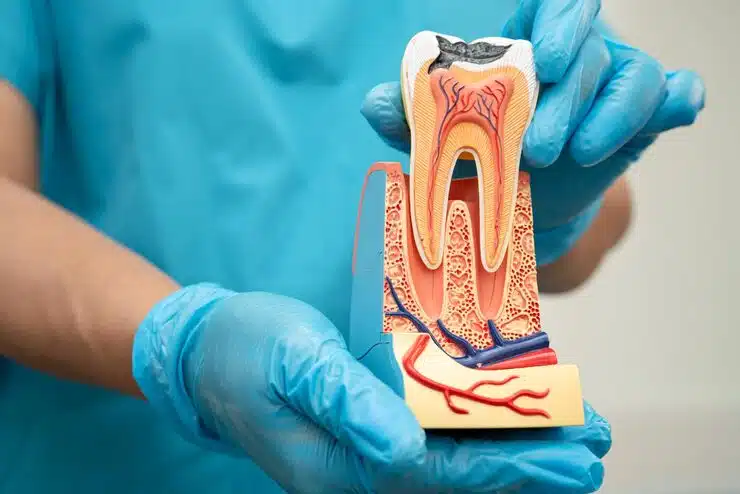
A regular cleaning, called a prophylaxis, is the preventive visit most people are familiar with. Our hygienist removes plaque and tartar from the visible surfaces of your teeth and just slightly below the healthy gumline, then polishes the enamel to slow future buildup. Regular cleanings are designed for mouths where the gums are generally healthy: pocket depths of one to three millimeters, minimal bleeding, and no bone loss on X-rays.
Twice-a-year prophylaxis visits, paired with daily brushing and flossing, are usually enough to keep gum disease from ever gaining a foothold. They are quick, comfortable, and require no numbing.
What a Deep Cleaning Does
A deep cleaning, known clinically as scaling and root planing, goes further because the problem sits deeper. When plaque hardens into tartar below the gumline, the gums pull away from the teeth and form pockets that trap bacteria where a toothbrush cannot reach. Left alone, the infection quietly destroys the bone that anchors your teeth. This is periodontal disease, and it is the leading cause of tooth loss in adults.
During scaling, we remove the hardened deposits from the tooth surfaces inside those pockets. During root planing, we smooth the root surfaces so the gum tissue can reattach and the pockets can shrink. Because we are working beneath the gums, we numb the area first, and we usually treat the mouth in halves or quadrants across two visits so you are never numb on both sides at once.
How We Decide Which Cleaning You Need
The decision is based on measurements, not guesswork. At your exam we chart the depth of the pocket around every tooth with a small periodontal probe, check for bleeding and recession, and review X-rays for early bone loss. Healthy pockets measure three millimeters or less. Readings of four millimeters or more, especially with bleeding or visible tartar below the gumline, tell us that a regular cleaning would only polish the part of the problem we can see while the infection continues below.
This is why a deep cleaning is not an upsell of a regular cleaning; it is a different treatment for a different diagnosis. Performing a simple prophylaxis on a mouth with active periodontal disease leaves the disease untreated, and letting it advance costs far more, in both teeth and dollars, than treating it early.
What to Expect During and After a Deep Cleaning
Most patients are more comfortable during scaling and root planing than they expected to be. With the area numbed, you will feel pressure and vibration but not pain. Afterward, your gums may be tender for a few days, and teeth can be temporarily sensitive to cold as inflamed tissue heals and tightens. Warm salt-water rinses, a soft-bristled brush, and over-the-counter pain relievers are usually all the aftercare you need.
The real change comes in the weeks that follow: for most patients, gums that bled every time they flossed stop bleeding, puffiness goes down, breath improves, and at your follow-up visit we re-measure the pockets to confirm the tissue is reattaching.
Periodontal Maintenance: The Follow-Through That Makes It Last
After a deep cleaning, most patients move onto a periodontal maintenance schedule rather than returning immediately to twice-a-year regular cleanings. These visits, typically every three to four months, clean the treated pockets before bacteria can re-establish themselves and let us track pocket depths over time. Skipping maintenance is the most common reason gum disease comes back, so we treat this schedule as seriously as the deep cleaning itself.
If your gum disease has progressed beyond what scaling and root planing alone can resolve, our gum treatment options address more advanced periodontal problems, and we will explain every step before anything begins.
Cost and Insurance Differences

Because they treat different conditions, the two cleanings are billed differently. Most dental insurance plans cover regular cleanings twice a year as a preventive benefit, often at one hundred percent. Deep cleanings are typically covered as a basic or periodontal procedure, usually by quadrant, at a different percentage. Our front office verifies your benefits and gives you a clear estimate before treatment, so there are no surprises.
Can You Avoid Ever Needing a Deep Cleaning?
Often, yes. Gum disease is largely preventable with consistent home care and regular preventive visits. Brush twice a day along the gumline, floss or use interdental brushes daily, and keep your checkups even when nothing hurts, because early gum disease is usually painless. Risk factors like smoking, diabetes, dry mouth, and family history make those habits even more important. The goal of everything we do is to keep your care in the preventive column, where it is easier, cheaper, and more comfortable.
What Happens If Gum Disease Goes Untreated
It helps to understand what a deep cleaning is actually preventing. Gum disease progresses in stages. Gingivitis, the earliest stage, is inflammation without bone loss, and it is fully reversible with a regular cleaning and better home care. Once the infection moves below the gumline and becomes periodontitis, the body’s response to the bacteria begins dissolving the bone around the teeth, and that bone does not grow back on its own. Pockets deepen, teeth loosen, and what could have been solved with two comfortable appointments becomes a referral for periodontal surgery or extractions and implants. Research has also linked chronic gum infection to higher risks for heart disease and poorly controlled diabetes, so healthy gums pay dividends well beyond your mouth. The window between “your gums bleed a little” and “your teeth are loose” is measured in years, which is exactly why we measure pockets at every exam instead of waiting for symptoms. The American Academy of Periodontology’s patient resources cover the stages of gum disease in more depth if you want to read further.
Frequently Asked Questions
Does a deep cleaning hurt?
No. We numb each area before scaling and root planing, so you should feel pressure but not pain. Expect some gum tenderness and cold sensitivity for a few days afterward while the tissue heals.
Why do I need a deep cleaning if nothing hurts?
Early and moderate gum disease is usually painless. Bleeding when you floss, persistent bad breath, and gums that look puffy or receded are often the only warning signs before loose teeth appear. The measurements we take at your exam detect the problem long before it hurts.
Is a deep cleaning a one-time fix?
Scaling and root planing removes the infection that is present, but gum disease is a condition we manage, not cure. Periodontal maintenance visits every three to four months keep the pockets clean and are the key to protecting the results.
How long does a deep cleaning take?
Plan on two visits of roughly an hour each, treating half the mouth at a time. Milder cases can sometimes be completed in a single longer appointment.
Find Out Which Cleaning Your Gums Need
If your gums bleed, feel tender, or it has simply been a while since your last visit, the right first step is an exam with honest measurements. Call North Pointe Dental Center in North Fort Myers at (239) 997-9949 or request an appointment, and we will tell you plainly whether a regular cleaning or a deep cleaning is the right care for your smile.